Skip to Content

How UPI is Killing AePS Service? - Digiforum Space

RS
Rajesh Sharma 3 min read 3 views
Sponsored
Sponsored Highlight
Partner Notice
📌 BEFORE CONTENT

This ad appears before the first paragraph.

#before_content Fintech & Banking Solutions
Learn More

AEPS and UPI
AEPS and UPI

Sponsored
Sponsored Highlight
Partner Notice
1️⃣ AFTER PARAGRAPH 1

This ad appears after the 1st paragraph.

#after_nth_paragraph | paragraph_index: 1 Fintech & Banking Solutions
Learn More

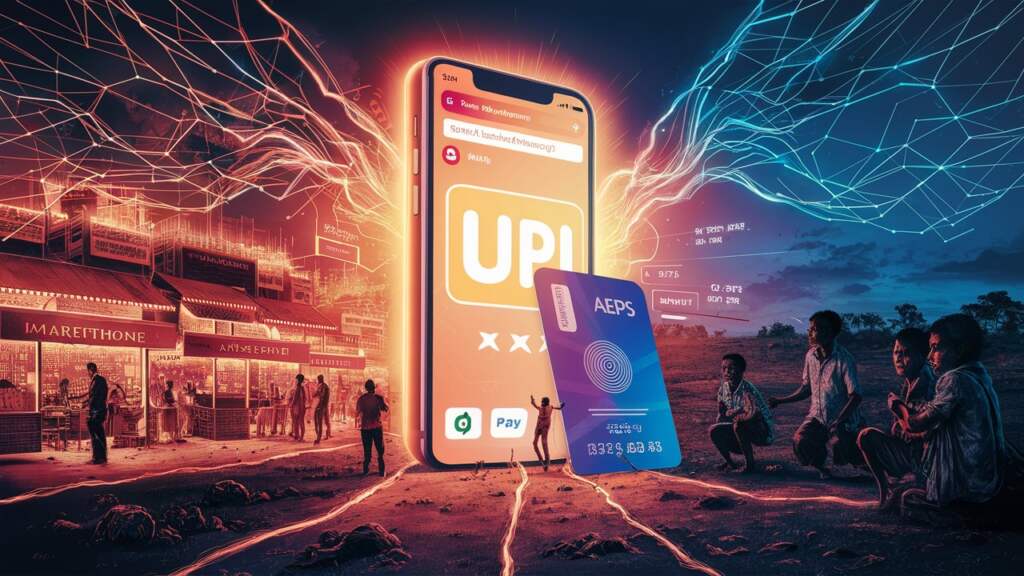
The Unified Payments Interface (UPI) has emerged as the dominant digital payment system in India, with a significant impact on the Aadhaar Enabled Payment System (AePS). UPI transactions have grown exponentially, reaching 7.82 billion transactions worth Rs 12.98 trillion in March 2023. In contrast, AePS transactions have declined from 1.26 billion in March 2022 to 1.06 billion in March 2023.

Sponsored
Sponsored Highlight
Partner Notice
2️⃣ AFTER PARAGRAPH 2

This ad appears after the 2nd paragraph.

#after_nth_paragraph | paragraph_index: 2 Fintech & Banking Solutions
Learn More

The Rise of UPI

Sponsored
Sponsored Highlight
Partner Notice
🔤 AFTER FIRST HEADING

This ad appears after the first H2/H3 heading.

#after_first_heading Fintech & Banking Solutions
Learn More

UPI has become the preferred choice for small transactions and peer-to-peer payments, with its user base growing rapidly. The system’s success can be attributed to its ease of use, speed, and the fact that it is integrated with various bank accounts. As a result, UPI has become the de facto standard for digital payments in India, with a significant majority of transactions now being processed through UPI-enabled apps.

Sponsored
Sponsored Highlight
Partner Notice
3️⃣ AFTER PARAGRAPH 3

This ad appears after the 3rd paragraph.

#after_nth_paragraph | paragraph_index: 3 Fintech & Banking Solutions
Learn More

The Impact on AePS

Sponsored
Sponsored Highlight
Partner Notice
🔡 AFTER SECOND HEADING

This ad appears after the second H2/H3 heading.

#after_second_heading Fintech & Banking Solutions
Learn More

AePS, on the other hand, is a payment system that allows users to make transactions using their Aadhaar cards. While AePS was initially designed to cater to the needs of the unbanked population, it has struggled to compete with UPI’s popularity. The dominance of UPI has led to a significant decline in AePS transactions, making it increasingly difficult for the system to sustain itself.

The Threat to AePS Viability

The decline of AePS transactions is largely attributed to the convenience and ease of use offered by UPI. As UPI becomes the preferred choice for transactions, AePS users are increasingly switching to UPI, leading to a significant decline in AePS usage. This shift has resulted in a loss of revenue for AePS service providers, making it challenging for them to maintain their operations.

Sponsored
Sponsored Highlight
Partner Notice
5️⃣ AFTER PARAGRAPH 5

This ad appears after the 5th paragraph.

#after_nth_paragraph | paragraph_index: 5 Fintech & Banking Solutions
Learn More

The Broader Implications

The decline of AePS has significant implications for India’s digital payments ecosystem. AePS was designed to cater to the needs of the unbanked population, providing them with a means to access financial services.

Sponsored
Sponsored Highlight
Partner Notice
⚡ MIDDLE OF CONTENT

This ad appears in the middle of the post (auto-calculated).

#middle_content Fintech & Banking Solutions
Learn More

The decline of AePS means that these individuals may be left without a reliable payment option, potentially exacerbating financial exclusion.

Furthermore, the dominance of UPI raises concerns about the concentration of power in the digital payments space.

The two largest UPI players, PhonePe and Google Pay, account for over 80% of UPI transactions, posing risks of systemic failures and monopolies. This concentration can lead to a lack of innovation and competition, ultimately harming the broader digital payments ecosystem.

Summary

The rise of UPI has significant implications for AePS and the broader digital payments ecosystem in India. While UPI has revolutionized digital payments, its dominance has led to a decline in AePS transactions, threatening the viability of this payment system.

It is essential for policymakers and regulators like NPCI and RBI to address these concerns and ensure that the digital payments ecosystem remains competitive and inclusive.

Sponsored
Sponsored Highlight
Partner Notice
🏁 AFTER CONTENT

This ad appears after the last paragraph.

#after_content Fintech & Banking Solutions
Learn More

Share this article

Spread the word and share this post with your network!

RA

About the Author

Rajesh Sharma

Chief Platform Administrator & Regulatory Compliance Officer for Retail Banking Forum.

Related Articles

blog.view_all →

7th Pay Commission Explained in Simple Words

If you are a government employee, pensioner, or someone preparing for a government job, you must have heard about the 7th Pay Commission. But what exactly is it? Don’t worry in this article, we will explain everything about the 7th Pay Commission in a s

Apr 29, 2025 Read →

Credit Card Billing Cycle

Credit cards are very common, almost every adult uses one for shopping, booking tickets, or even paying bills. But many people don’t understand how credit card billing cycles work. It’s important to learn this now so you can manage your money smartly in t

Apr 22, 2025 Read →

How to Recharge Jio Without Internet

Jio provides multiple options to ensure that users can recharge their SIM even without an active internet connection. If you're wondering how to recharge Jio without internet, using the MyJio App with auto-login is the easiest method if you have the app i

Mar 21, 2025 Read →

Leave a Comment (0)

0/5000 characters

Your comment will be reviewed before being published.

Solve: 6 * 8 = ?

Solve the problem to verify you're human

No comments yet

Be the first to comment!